
Will MEPs ban Biometric Mass Surveillance in key EU AI Act vote?
The EDRi network and partners have advocated for the EU to ban biometric mass surveillance for over three years through the Reclaim Your Face campaign. On May 11, their call may turn into reality as Members of the European Parliament’s internal markets (IMCO) and civil liberties (LIBE) Committees vote on the AI Act.
Filter resources
-

Will MEPs ban Biometric Mass Surveillance in key EU AI Act vote?
The EDRi network and partners have advocated for the EU to ban biometric mass surveillance for over three years through the Reclaim Your Face campaign. On May 11, their call may turn into reality as Members of the European Parliament’s internal markets (IMCO) and civil liberties (LIBE) Committees vote on the AI Act.
Read more
-

Where artificial intelligence and climate action meet
The use of artificial intelligence (AI) has a major influence on climate action, climate change mitigation and the work of environmental defenders. It offers potential benefits, for example when it is used to enhance high-resolution mapping of deforestation, coral reef loss, and soil erosion. On the other hand, it poses a threat to the climate and its defenders when it leads to extraction of natural resources and when automated online surveillance is used to enhance the power of states and corporations to suppress climate activism and grassroots resistance.
Read more
-
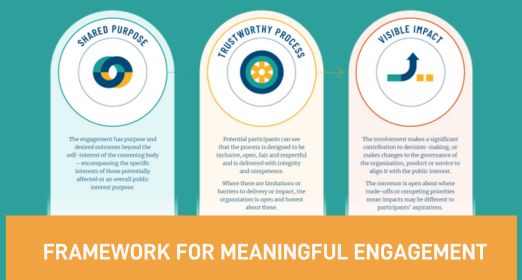
Moving from empty buzzwords to real empowerment: a framework for enabling meaningful engagement of external stakeholders in AI
The use of artificial intelligence (AI) is accelerating. So is the need to ensure that AI systems are not only effective, but also fair, non-discriminatory, transparent, rights-based, accountable, and sustainable – in short, responsible
Read more
-

As AI Act vote nears, the EU needs to draw a red line on racist surveillance
The EU Artificial Intelligence Act, commonly known as the AI Act, is the first of its kind. Not only will it be a landmark as the first binding legislation on AI in the world – it is also one of the first tech-focused laws to meaningfully address how technologies perpetuate structural racism.
Read more
-
Retrospective facial recognition surveillance conceals human rights abuses in plain sight
Following the burglary of a French logistics company in 2019, facial recognition technology (FRT) was used on security camera footage of the incident in an attempt to identify the perpetrators. In this case, the FRT system listed two hundred people as potential suspects. From this list, the police singled out ‘Mr H’ and charged him with the theft, despite a lack of physical evidence to connect him to the crime. The judge decided to rely on this notoriously discriminatory technology, sentencing Mr H to 18 months in prison.
Read more
-

Civil society urges European Parliament to protect people’s rights in the AI Act
In the run up to the AI Act vote in the European Parliament, civil society organisations call on the European Parliament to prioritise fundamental rights and protect people affected by artificial intelligence systems.
Read more
-
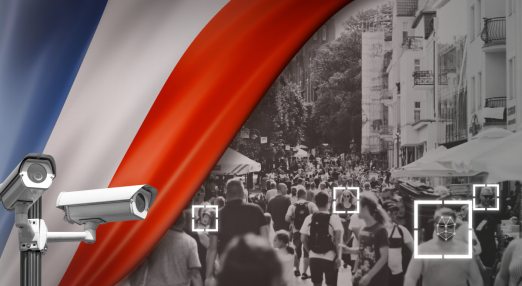
France becomes the first European country to legalise biometric surveillance
EDRi member and Reclaim Your Face partner La Quadrature du Net charts out the chilling move by France to undermine human rights progress by ushering in mass algorithmic surveillance, which in a shocking move, has been authorised by national Parliamentarians.
Read more
-
Protect My Face: Brussels residents join the fight against biometric mass surveillance
The newly-launched Protect My Face campaign gives residents of the Brussels region of Belgium the opportunity to oppose mass facial recognition. EDRi applauds this initiative which demands that the Brussels Parliament ban these intrusive and discriminatory practices.
Read more
-

Open Letter: The AI video surveillance measures in the Olympics Games 2024 law violate human rights
In an open letter, EDRi, ECNL, La Quadrature du Net, Amnesty International France and 34 civil society organisations call on the French Parliament to reject Article 7 of the proposed law on the 2024 Olympics and Paralympic Games.
Read more
-

2023: Important consultations for your Digital Rights!
Public consultations are an opportunity to influence future legislation at an early stage, in the European Union and beyond. They are your opportunity to help shaping a brighter future for digital rights, such as your right to a private life, data protection, or your freedom of opinion and expression.
Read more
-
SERBIA: Government retracts again on biometric surveillance
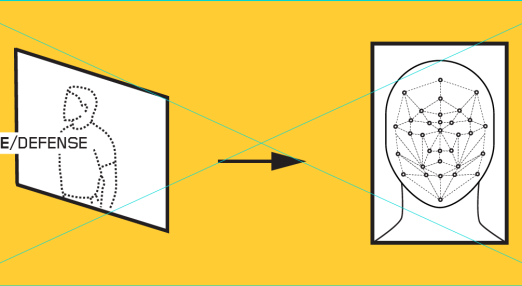
Another attempt to legalise mass biometric surveillance in Serbia was ditched by the government in a sudden U-turn just as 2022 was drawing to a close. In a little over a year this was the second draft law on internal affairs failing to pass the public hearing stage before its formal introduction to the parliamentary vote.
Read more
-
#ProtectNotSurveil: EU must ban AI uses against people on the move
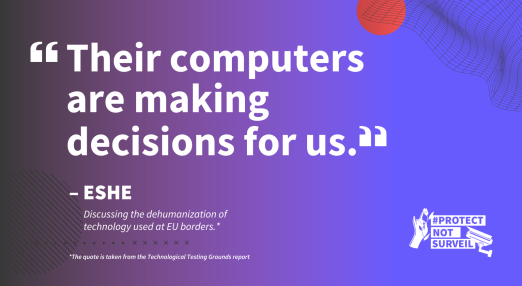
As the European Parliament regulates the most harmful AI technologies, a coalition of civil society calls on the EU to #ProtectNotSurveil people on the move.
Read more