
Blogs
Filter by...
-

Filters Incorporated
On 26 March 2019, the European Parliament (EP) adopted the new copyright Directive. The music industry and collecting societies celebrated it as a victory for authors and creators, despite actual authors (along with civil society groups) being worried about the outcome.
Read more
-

Terrorist Content Regulation: Successful “damage control” by LIBE Committee
Today, on 8 April 2019, the European Parliament Committee on Civil Liberties, Justice and Home Affairs (LIBE) adopted its Report on the proposed Regulation for moderation of terrorist content online. Released by the European Commission in September 2018, the proposal was very welcomed in the Council of Member States, which rapidly concluded a political agreement […]
Read more
-
GDPR incompatibility – the blind spot of the copyright debate
The debate around the Copyright Directive reform has been intense. Former Article 13, which became Article 17 in the text voted by the European Parliament on 26 March, created the greatest controversy between stakeholders arguing about the so-called “value gap” in the creative sectors, upload filters, and a new platform liability regime, among others issues. […]
Read more
-

EU Council Presidency outlines future counter-terrorism priorities
A note produced by the Romanian Presidency of the Council of the European Union sets out the EU’s response to terrorism since 2015. It highlights the main measures adopted and calls for a “reflection process on the way forward” in a number of areas including “interoperability and extended use of biometrics”; implementing the EU Passenger […]
Read more
-

New freedom of information law proposed in North Macedonia
The right to freedom of information (FOI) is protected by law in North Macedonia since 2006. In theory, the law complies with international standards and creates a solid basis for establishing a system to protect this right. However, the practice during the past 12 years has shown legal gaps, inconvenient practices, and inefficiency of the […]
Read more
-

Google fined 1,5 billion euro for abusive online ad practices
On 20 March, the European Commission imposed yet another massive fine, 1,5 billion euro, on Google. The Commission Directorate-General for Competition stated that the data company has abused its dominant position in the online advertising market by imposing restrictive contracts with third-party websites that prevented rivals from placing their search adverts on these websites.
Read more
-
EU Parliament stands up against censorship machine
Today, on 26 March, the European Parliament voted against adopting the controversial upload filters as part of the copyright Directive text. This vote comes after what was an intense campaign for human rights activists, with millions of calls and emails from concerned individuals, as well as Europe-wide protests. XXX Members of the European Parliament adopted […]
Read more
-

All you need to know about copyright and EDRi
The last vote on the Copyright Directive’s final text is set to take place on 26 March. Ahead of this crucial vote in the European Parliament plenary, here is some background on EDRi’s priorities around this topic.
Read more
-
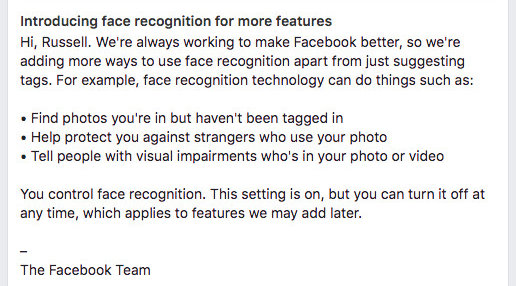
The art of dodging questions – Facebook’s privacy policies
Remember in April 2018, after the Cambridge Analytica scandal broke, we sent a series of 13 questions to Facebook about their users’ data exploitation policy. Months later, Facebook got back to us with answers. Here is a critical analysis of their response. Recognising people’s face without biometric data? The first questions (1a and 1b) related […]
Read more
-

FSFE: Publicly funded software has to result in public code
As the European Parliament elections approach, EDRi member Free Software Foundation Europe (FSFE) intensifies the efforts for the “Public Money? Public Code!” campaign. In January 2019, FSFE published a new brochure to serve as guidelines for decision-makers, explaining the fundamental benefits of public code. Free Software for a Free Society Free and Open Source Software […]
Read more
-
Record number of calls to the EU Parliament against upload filters
With just two weeks to go until the final vote on upload filters in the European Parliament, one hundred MEPs have pledged to vote against Article 13 of the proposed Copyright Directive. Many citizens feel like their legitimate fears about the future of the internet are not taken seriously as lawmakers insult them as being […]
Read more
-

What will happen to our memes?
In Europe, new rules concerning copyright are being created that could change the internet fundamentally. The consequences that the upload filters included in the EU copyright Directive proposal will have for our creativity online raise concerns. Will everything we want to post to the internet have to pass through “censorship machines”? If the proposed Directive […]
Read more