
Blogs
Filter by...
-
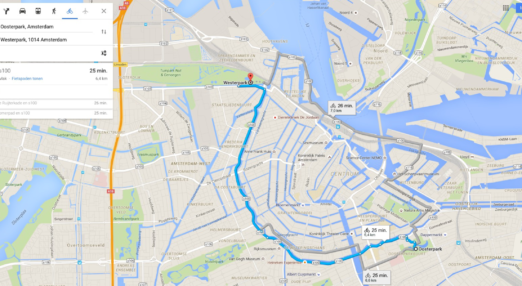
Hey Google, where does the path lead?
If you do not know the directions to a certain place, you use a digital device to find your way. With our noses glued to the screen, we blindly follow the instructions of Google Maps, or its competitor. But do you know which way you are being led?
Read more
-

Google-Huawei case highlights the importance of free software
Google denies the Chinese IT giant Huawei access to Google’s proprietary components of the Android mobile operating system, which threatens IT security. This highlights the importance of free software for technology users, public bodies, and businesses.
Read more
-

Passenger surveillance brought before courts in Germany and Austria
EDRi members Gesellschaft für Freiheitsrechte (GFF, Society for Civil Rights) and Epicenter.works have taken legal action against the mass retention and processing of Passenger Name Records (PNR) before German and Austrian courts and authorities. The European PNR Directive (Directive 2016/681) requires airlines to automatically transfer their passengers’ data to state authorities. There, the data are […]
Read more
-

EDRi strategic planning: A collective journey towards a strengthened network
On 6 and 7 April, European Digital Rights (EDRi) network held its General Assembly in London. EDRi members elected three new Board members and a new President, Anna Fielder, a long-standing privacy expert, who succeeds Andreas Krisch – EDRi President of ten years who lead the network through years of achievements and milestones. This General […]
Read more
-

EU elections – protecting our data to protect us from manipulation
The campaigns for the European Parliament elections that will take place on 23-27 May 2019 are well under-way. Since the last elections in 2014, much has changed in the way political campaigns are conducted. Central to these changes is the role played by our data.
Read more
-

Turkish civil society: Declaration on the state of the internet
On the occasion of the Internet Week (11-24 April 2019) and the 26th anniversary of the arrival of the internet in the country, Turkish civil society organisations focusing on digital rights have released a declaration on the state of the internet.
Read more
-

Austria: New “responsibility” law will lead to self-censorship
Shortly after the EU gave green light to upload filters, two laws were proposed in Austria, with the alleged goal of tackling online hate speech, that rang the alarm bells.
Read more
-

It starts with free Pokémon Go, it ends with Bolsonaro
Chile was the first country in the world to have a net neutrality law, but it is not enforced at all. A simple search across mobile internet providers shows a large offer of “free” data if you’re using platforms such as Facebook, Twitter, Instagram, Spotify, or Pokémon Go. This is called “zero-rating” and means people […]
Read more
-

SIN v Facebook: Tech giant sued over censorship in landmark case
On 7 May 2019, Civil Society Drug Policy Initiative (SIN), a Polish non-profit organisation promoting evidence-based drug policy, filed a lawsuit with the support of the Polish EDRi member Panoptykon Foundation, against Facebook in a strategic litigation case aimed at fighting private censorship on the internet.
Read more
-

Facebook’s commitments on ToS: Much ado about nothing?
On 9 April 2019, the Directorate-General for Justice and Consumers of the European Commission (DG JUST), together with the Consumer Protection Cooperation (CPC) Network, cheered at the new Facebook commitments to amend its Terms of Services (ToS). The amendments should address the concerns already raised by national competition authorities about the current ToS. They should […]
Read more
-

Will Serbia adjust its data protection framework to GDPR?
After a process that took more than five years, the National Assembly of Serbia finally adopted a new Law on Personal Data Protection in November 2018. The law closely follows EU’s General Data Protection Regulation (GDPR), almost to the point of literal translation into Serbian of some parts of the text. That was expected, due […]
Read more
-

Strategic litigation against civil rights violations in police laws
Almost every German state has expanded or is preparing to expand police powers. The police authorities are now more often allowed to interfere with civil rights, even before a specific danger has been identified. They are also given new means to conduct secret surveillance online. EDRi member Gesellschaft für Freiheitsrechte (GFF, Society for Civil Rights) […]
Read more