
How can the EU protect children online while dismantling the very rules designed to keep them safe?
Protecting children online has become one of the most powerful political narratives in Brussels, yet proposals like the Digital Omnibus risk weakening the very safeguards that make this protection possible. This is a contradiction: can children truly be protected if the rules designed to keep them safe are being dismantled?
Filter resources
-

How can the EU protect children online while dismantling the very rules designed to keep them safe?
Protecting children online has become one of the most powerful political narratives in Brussels, yet proposals like the Digital Omnibus risk weakening the very safeguards that make this protection possible. This is a contradiction: can children truly be protected if the rules designed to keep them safe are being dismantled?
Read more
-
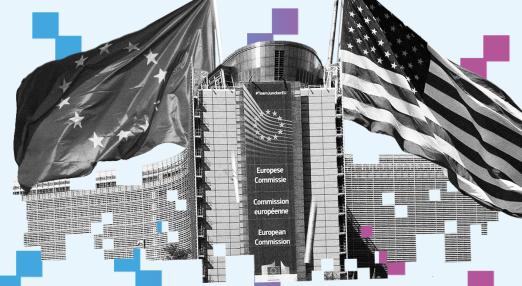
Europe’s digital laws are not bargaining chips
In reaction to the recent plan to “open a formal dialogue” with the US government on EU tech rules, EDRi and other civil society organisations urge the Commission to halt this plan that risks giving Big Tech a back door to weaken the EU digital rulebook and its enforcement.
Read more
-

New study reveals how young people are influenced by gamification features on Snapchat
A March 2026 study by Bits of Freedom shows how gamification features of Snapchat influence young people. Some respondents experience negative effectslike more screen time than they want or feeling pressured to interact with the app. The results of the research support the importance of freedom of choice on online platforms: young people need to have more control over where their attention is going, what they are seeing and what they are displaying of themselves online.
Read more
-

Five lessons from three years of risk assessments under the Digital Services Act
Under the Digital Services Act (DSA), Big Tech platforms are required to annually assess systemic risks tied to their services and implement measures to mitigate them. EDRi member, the European Center for Not-for-Profit Law (ECNL) analysed the first three rounds of these risk assessments, spanning from 2023 to 2025, and identified five major gaps. In their current form, these assessments are unlikely to provide meaningful transparency or accountability for decisions affecting millions of internet users, raising fundamental questions about their usefulness and future direction.
Read more
-

DSA vs. Reality: Are children safer online?
How can social media be safer for people of all ages? During the hearing held in the European Parliament on 24th February, civil society experts led by Panoptykon debated possible solutions with Members of the European Parliament (MEPs) and officials from the European Commission. Yet YouTube, TikTok, and Meta dodged having to answer difficult questions.
Read more
-
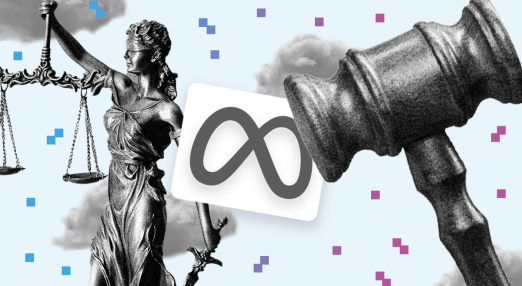
Court again rules in favour of Bits of Freedom: freedom of choice for Instagram and Facebook users remains intact
On 11 March, the Dutch Court of Appeal ruled on Meta's appeal against an earlier verdict brought by Bits of Freedom. The judgment was in favour of the digital human rights organisation. This is good news for Facebook and Instagram users in the Netherlands: they will continue to have the freedom to chose over what information appears on their feed.
Read more
-

Civil society calls for an ambitious Digital Fairness Act on World Consumer Rights Day
On World Consumer Rights Day, EDRi and dozens of other civil society organisations have signed a joint letter urging the European Commission to adopt a strong Digital Fairness Act (DFA). The coalition calls for rules that address manipulative digital business models and protect people from harmful online practices. The letter echoes the recommendations set out in EDRi’s recent policy paper on a rights-based approach to digital fairness.
Read more
-

EDRi files DSA complaint against YouTube for undermining user autonomy
EDRi has filed a complaint with the Belgian Digital Services Coordinator against YouTube under the Digital Service Act (DSA), challenging the legality of the recommender system options offered by the platform. EDRi requests a thorough investigation and effective enforcement measures.
Read more
-

Breaking the extractive digital business model: a rights-based Digital Fairness Act
EDRi’s new position paper addresses the growing threat of manipulative and unfair platform design in the EU’s digital environment. It examines how deceptive interfaces, exploitative personalisation, and addictive design practices are embedded in today’s digital economy and why existing laws fail to tackle their structural roots. Grounded in a rights-based analysis, the paper argues that the Digital Fairness Act must deliver systemic change by embedding fairness by design and by default into the digital infrastructure that shapes our lives.
Read more
-

US pressure on the Digital Services Act in the Netherlands
On 3 February 2026, the United States House Committee on the Judiciary launched a report in which EDRi member Bits of Freedom and Justice for Prosperity, among others, are called "censorous NGOs". In response, Bits of Freedom and Justice for Prosperity are issuing the following statement.
Read more
-
Statement of solidarity with EDRi members and allies facing pressure for their work on platform regulation
The EDRi network strongly condemns the pressure of the US Trump administration on EDRi members and allies for our work on online platform regulation.
Read more
-
EDRi’s 2025 in review: we resisted, we persisted
As for most civil society organisations, 2025 was a tumultuous and challenging year for EDRi. Shifting political landscapes and shrinking civic space have made the work of civil society in Europe and around the world increasingly difficult for years . Yet we have nevertheless found many reasons to hope, celebrate, resist and persist.
Read more